
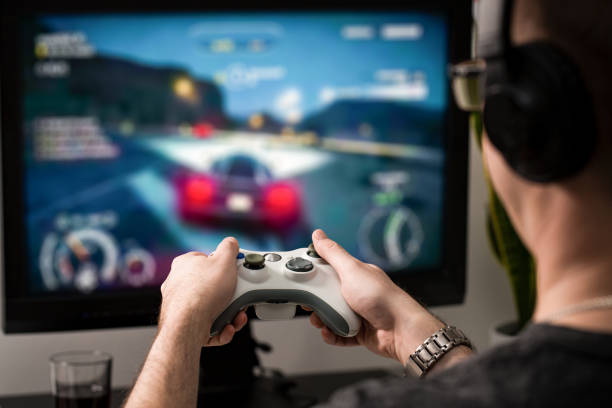
The relationship between art and online games has evolved into a fascinating and multifaceted connection that continues to shape both industries in profound ways. Online games, once primarily focused on gameplay mechanics and competitive elements, have increasingly embraced artistic expression as a core component of their design. This fusion not only enhances the player experience but also elevates video games to the realm of contemporary art.
At its core, art in online games manifests through visual aesthetics, narrative storytelling, music composition, and interactive design. The visual elements-ranging from character models and environments to lighting effects and animation-create immersive worlds that captivate players. These artistic choices influence how players perceive the game’s atmosphere and emotional tone. For instance, vibrant colors can evoke excitement or joy, while darker palettes might generate tension or mystery. The artistry behind these visuals requires collaboration among concept artists, illustrators, 3D modelers, and animators who bring imaginative ideas to life within digital spaces.
Beyond visuals, storytelling in online games often incorporates literary techniques akin to those found in traditional art forms such as novels or theater. Complex narratives with well-developed characters allow players to engage emotionally with the game’s world. This narrative depth is enhanced by voice acting performances and cuan368 carefully crafted dialogue scripts that add layers of meaning beyond mere gameplay objectives.
Music is another integral aspect where art intersects with gaming culture. Soundtracks composed specifically for online games contribute significantly to mood setting and player immersion. From orchestral scores that heighten epic moments to ambient sounds that build suspense during exploration phases, musical compositions serve as an auditory canvas complementing the visual artistry.
Interactive design further distinguishes online games as unique artistic experiences because they invite active participation rather than passive observation. Players become co-creators within these virtual environments by making choices affecting outcomes or customizing avatars reflecting personal identity-a form of self-expression mirroring traditional creative practices like painting or sculpture.
Moreover, many online communities foster fan-generated content such as digital artwork inspired by favorite characters or scenes from popular titles. These contributions demonstrate how gaming transcends entertainment boundaries by inspiring creativity outside official development teams.
In recent years, exhibitions showcasing video game art have gained prominence in museums worldwide-validating this medium’s cultural significance alongside classical paintings or sculptures.
Ultimately, exploring the connection between art and online games reveals a dynamic interplay where technology enables new forms of creativity while artistic principles enrich interactive entertainment experiences for diverse audiences globally.