Dust mites are one of the most common indoor allergens and a leading cause of persistent nasal discomfort in both adults and children. These microscopic organisms thrive in warm, humid environments and are found in mattresses, pillows, carpets, curtains, and upholstered furniture. For people sensitive to dust mites, even small levels of exposure can trigger sneezing, congestion, itching, or breathing difficulty, significantly impacting daily comfort.
Many individuals search for effective nasal allergy treatment when recurring symptoms interfere with sleep, concentration, or quality of life, often without realizing the role dust mites may be playing.
Patients dealing with chronic allergies frequently seek guidance from specialists at the best ENT hospital in Vadodara, where advanced diagnostics and tailored treatment strategies help identify the source of allergic reactions and manage symptoms more effectively.
What Are Dust Mites?
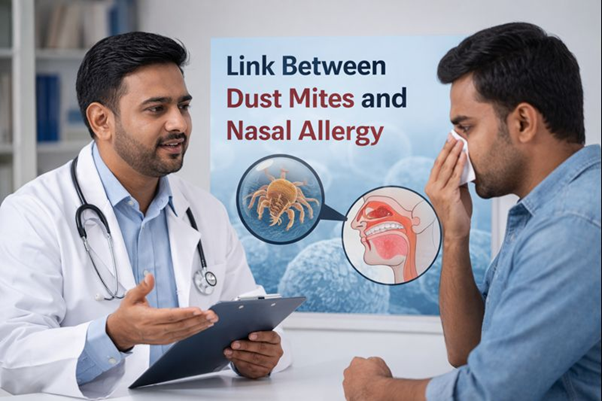
Dust mites are tiny arthropods that feed primarily on dead human skin cells. Invisible to the naked eye, they thrive in warm and humid environments commonly found in households. Rather than the mites themselves, it is their waste particles and shed skin that trigger nasal allergic reactions.
Dust mites flourish in:
- Mattresses and bedding
- Carpets and rugs
- Stuffed toys
- Curtains and upholstered sofas
- Areas with high humidity
Because they breed continuously, dust mite allergens accumulate over time, increasing exposure risks for sensitive individuals.
How Dust Mites Trigger Nasal Allergies
Nasal allergies result from an overactive immune response to harmless substances, such as dust mite allergens. When an allergic person inhales these particles, the immune system perceives them as threats and releases histamine and other inflammatory chemicals.
This leads to symptoms such as:
- Persistent sneezing
- Runny or stuffy nose
- Nasal itching
- Watery eyes
- Postnasal drip
- Sinus pressure
Repeated exposure intensifies inflammation, turning occasional symptoms into chronic nasal allergy.
Understanding the Immune Response
The body’s immune system plays a central role in allergic reactions. When exposed to dust mites, an allergic individual produces Immunoglobulin E (IgE) antibodies specific to dust mite proteins. These antibodies attach to mast cells—immune cells found in the lining of the nose.
On subsequent exposure, mast cells release histamine, leading to swelling, mucus production, and nasal irritation.
Over time, this can cause:
- Chronic inflammation
- Difficulty breathing through the nose
- Sleep disturbances
- Reduced sense of smell
Understanding this immune process helps highlight why management requires both environmental control and medical treatment.
Symptoms Specific to Dust Mite Allergies
While dust mite allergy shares similarities with general seasonal allergies, certain symptoms may stand out.
Symptoms commonly linked to dust mite exposure include:
- Worsening symptoms in the morning
- Increasing discomfort when cleaning or dusting
- Sneezing fits when lying on bedding or carpets
- Chronic cough caused by postnasal drip
- Nighttime nasal congestion
These symptoms occur because dust mites concentrate heavily in bedding and areas where people spend extended periods.
Risk Factors That Increase Sensitivity
Some individuals are more prone to developing dust mite allergies due to genetic, environmental, and lifestyle factors.
Increased risk is associated with:
- Family history of asthma or allergies
- Living in humid climates
- Using carpets or heavy fabric furnishings
- Poor ventilation indoors
- Exposure at a young age
Children are especially vulnerable, as their immune systems are still developing.
Diagnosing Dust Mite Allergy
Accurate diagnosis helps distinguish dust mite allergy from other conditions like sinusitis, viral infections, or general rhinitis. Specialists use a combination of clinical evaluation and diagnostic tests.
Common tests include:
- Skin prick tests
- Blood tests measuring IgE levels
- Nasal endoscopy (if symptoms are persistent)
- Allergy panels to rule out other triggers
Early diagnosis helps prevent symptoms from progressing into chronic respiratory issues.
Environmental Control: Reducing Dust Mite Exposure
Dust mite management starts at home by minimizing their presence and reducing allergen levels. Simple lifestyle changes can significantly ease symptoms.
Effective strategies include:
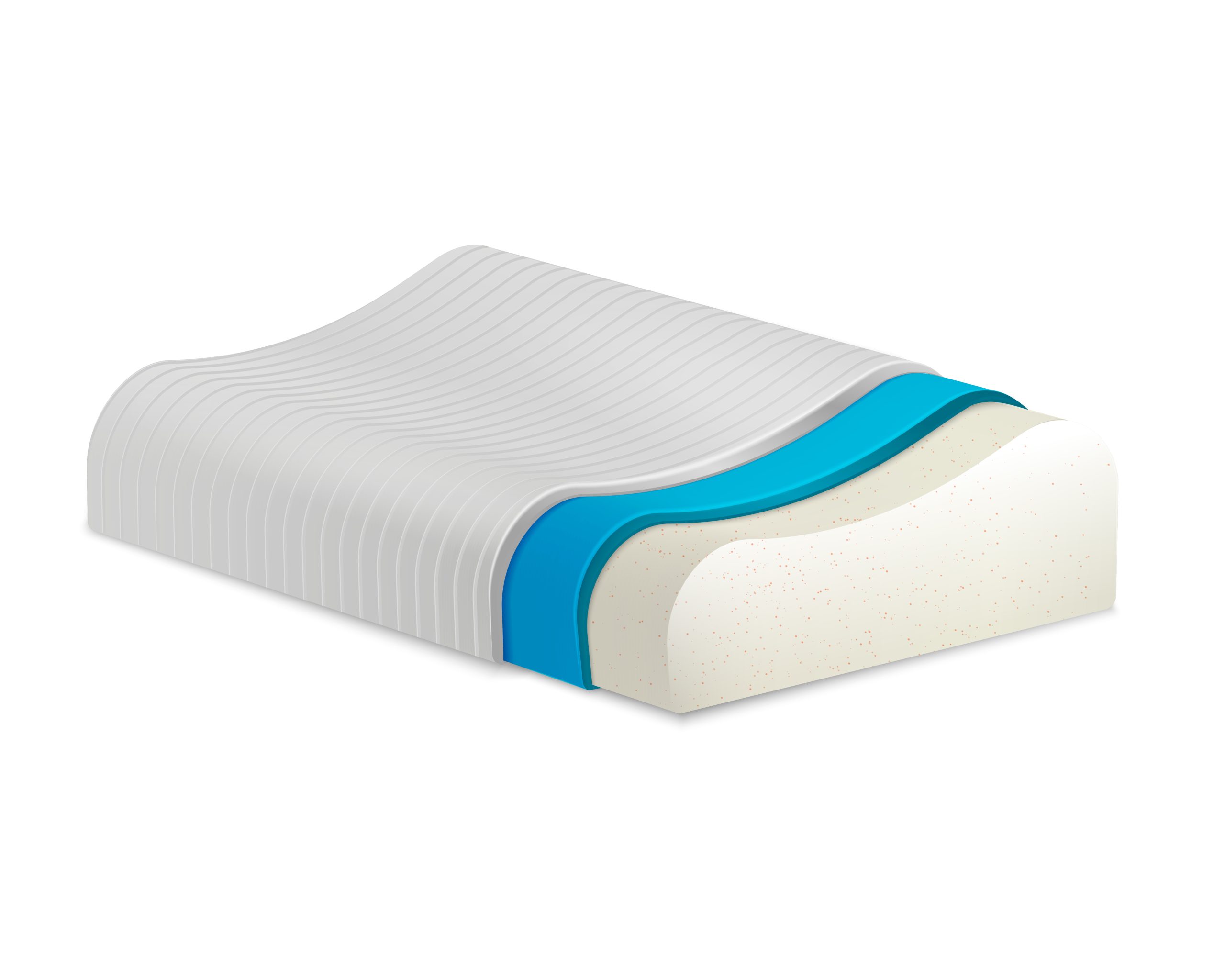
- Using dust-proof mattress and pillow covers
- Washing bedding in hot water weekly
- Reducing humidity indoors
- Vacuuming with HEPA-filter vacuums
- Replacing carpets with hard flooring
- Eliminating stuffed toys or washing them regularly
Consistent environmental control is essential for long-term relief, especially for children and individuals with severe sensitivity.
Medical Treatment Options for Dust Mite Allergies
While environmental control reduces allergen exposure, medical treatments relieve symptoms and prevent flare-ups.
Common treatments include:
- Antihistamines
- Nasal corticosteroid sprays
- Decongestants (short term)
- Leukotriene inhibitors
- Saline rinses to clear allergens
These medications reduce inflammation, ease congestion, and improve breathing comfort.
Immunotherapy: Long-Term Relief
For individuals with persistent or severe dust mite allergy, immunotherapy may offer long-term improvement. Immunotherapy trains the immune system to tolerate dust mite allergens by gradually exposing it to controlled amounts.
Immunotherapy options include:
- Subcutaneous injections (allergy shots)
- Sublingual tablets (placed under the tongue)
Over time, immunotherapy reduces sensitivity and may significantly decrease the need for medications.
When Dust Mite Allergy Leads to Sinus Problems
Chronic exposure to dust mites can contribute to recurring sinus infections. Nasal swelling blocks sinus drainage, causing mucus buildup, pressure, and pain.
Signs of sinus complications are developing:
- Prolonged congestion
- Facial pressure
- Persistent headaches
- Fever or fatigue
- Thick yellow or green mucus
Early treatment helps prevent chronic sinusitis, which may require more advanced medical intervention.
Dust Mite Allergy in Children
Children often experience more severe symptoms because they spend more time in bed or on carpets, where dust mites thrive. Untreated allergies may affect their sleep, concentration, and school performance.
Common impacts include:
- Difficulty sleeping due to congestion
- Snoring or mouth breathing
- Daytime fatigue
- Irritability
- Slower learning due to poor sleep
Parents must ensure early diagnosis and consistent environmental management for lasting relief.
Lifestyle Habits That Make Allergies Worse
Certain habits can worsen dust mite allergies and make symptoms harder to control.
Avoid practices such as:
- Letting pets sleep on the bed
- Keeping piles of soft fabric items
- Using thick rugs in humid climates
- Ignoring regular cleaning schedules
- Storing clothing in open areas
Improving home hygiene plays a major role in symptom reduction.
When to See a Specialist
Professional evaluation is essential when nasal allergies persist for weeks or interfere with daily activities. A specialist can determine whether dust mites are the primary cause or if other allergens or structural issues are involved.
Seek help if you experience:
- Year-round congestion
- Frequent sinus infections
- Sleep disturbances
- Reduced sense of smell
- Symptoms unresponsive to medication
Specialist care ensures accurate diagnosis and tailored treatment.
Conclusion
Dust mites are among the most common triggers of nasal allergy, and understanding their connection to recurring symptoms is the first step toward effective management. By identifying exposure sources, reducing household allergens, and seeking appropriate medical care, individuals can significantly improve their comfort and breathe more freely. For those experiencing persistent symptoms, professional evaluation and personalized treatment plans provide long-term relief and prevent complications such as chronic sinusitis. With the right combination of environmental control, medication, and specialist guidance, dust mite allergies become far easier to manage.